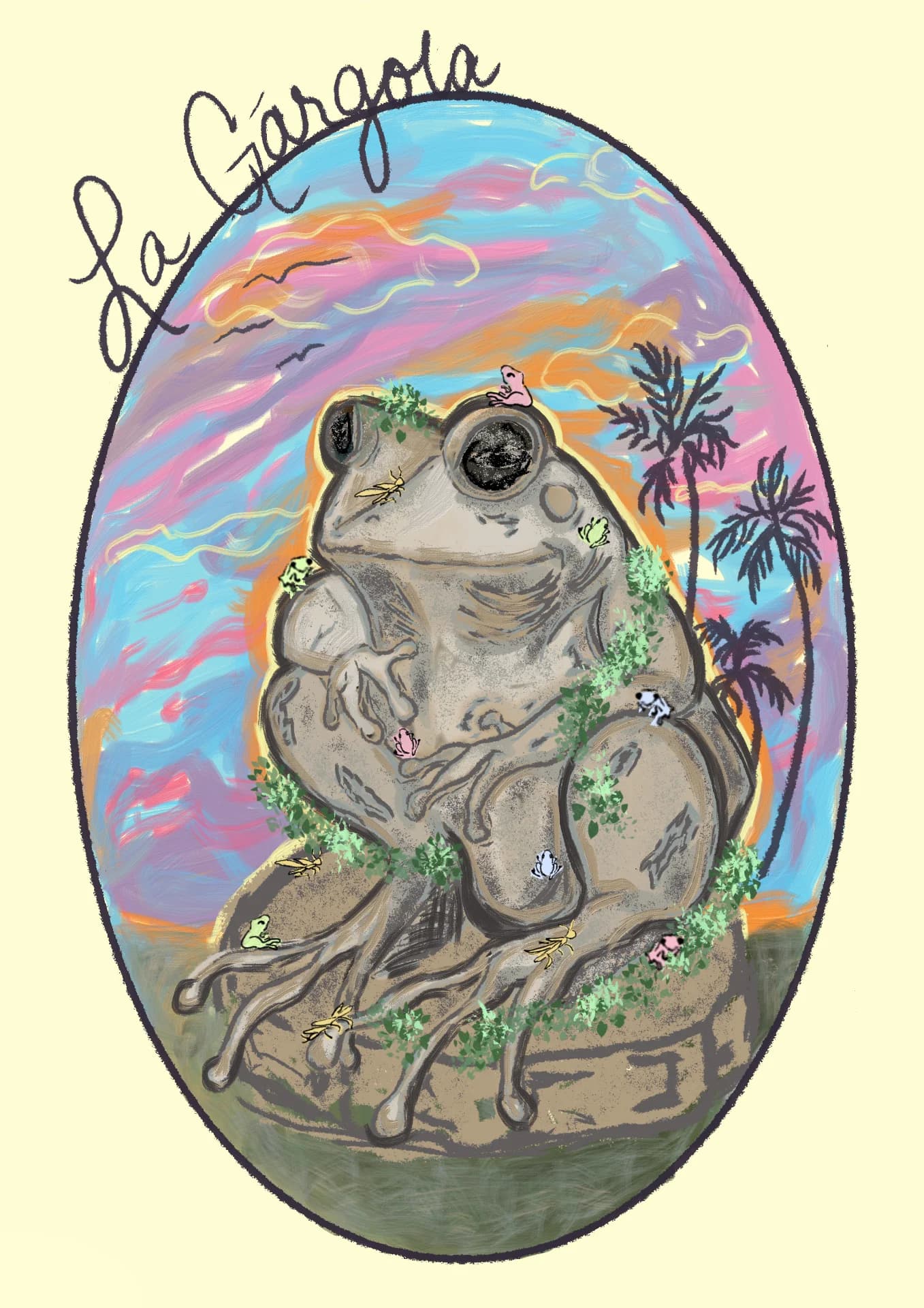
The Rise of the Boricua that is ME
Back in 2020, our society here in EEUU [the United States], underwent a drastic shift. One I don't think we can ever come back from, and one I didn't understand.
In 2020, I watched the smallest measure of 'we' turn very much into 'me' (and I can't say I'm not guilty, so please know none of this comes with judgement, if that's something you feel vulnerable about.) It was about what was best for my family, myself, my children. I had an amazing 2020 in some ways, and a devastating one in many ways. But for me, 2020 was a catalyst. I knew something in my life needed to change. I was isolated, alone, depressed, and lost. There is one thing that saved my mental health, and probably my life: God and the drive he put in me to do family history.
2007
I started on genealogy as a child. I wrote in my journal, read family journals, learned about my ancestors, and followed my grandmother around as she looked at microfilm and rolled out her massive hand-written genealogy charts. I loved her and I loved the stories. I even tried doing it on my own. I would write down what I could remember. I preserved a few stories. I took pictures.
2012
I hit rock bottom at 19. I was having an identity crisis, a faith crisis, and didn't really know where to turn. I had a really good friend look me in the eye and ask me why I couldn't just be the person I always was, and that led me to reading past journals, and searching up what it meant to be 'me'. This led me to turning back to genealogy again.
2015
I spent the years from 2012-2015 deep diving into genealogy and building a family tree from information I finally had access to. I taught genealogy classes, volunteered to help people fill in their genealogy charts, uploaded my and hundreds of other people's family photos. I toted two small children along with me and found hundreds of names, doing their genealogy and temple work.
2020
We made it back to the year 2020, where by this point I had a solid idea of who I was in the community, which was my family history. I visited Puerto Rico, fell in love with the music and the culture, realizing it was something I had missed my entire life, surrounded by what was only half of who I am.
2022
I moved to Puerto Rico, learning what it mean to be part of community where my identity mattered as part of the whole. My children (and I) became the children of the neighborhood. We were always spoiled, loved, cared for, thought about, and one of the community. I know I will use that word a lot, but it's true. Our neighbors brought our children toys when they didn't have many, clothes they thought were cute, books that would teach them their heritage and language, and handmade or thoughtful gifts just to make us, or them, smile.
When the power would go out, our neighbors would pack around icecream bars and popsicles to share. They would help handwash clothes for my two-year-old, who refused to wear anything but long mahones. We froze waterbottles for our neighbors to use to sleep at night, though they laughed at us because they thought ice was too cold.
They shared water with us after Hurricane Fiona, and we went over a week without running water--we went a month without power. Everyone checked on each other. Communities hand-ran around water bottles because, without water, people would die. Some communities near us went months without power or running water. When my husband lost his job, our neighbors, some of whom had less than we did, made sure our children had gifts from both Santa Claus and Los Tres Reyes Magos, and food on our table. No one asked once if we needed it. They just saw the need and filled it. They wouldn't take no for an answer.
When we went to fly out for a job offer my husband had, our ward community raised the money so we would be able to rent a car when we got to the states so that we could drive to my parents' home. We didn't know until the morning we went to fly out. The obispo said, as he handed it to us, that our neighbors knew we would try to say no unless they didn't give us a choice.
We had known community a little like this before from certain wards and family members, but even as we flew back to the states, we were changed forever.
2026
We found a new home, settled into a new job, and became part of the Latin community. And words began coming again--except unlike when I wrote as a teenager, all my words were influenced by my history. I want to make sure that this community, my Boricua heritage, and other Latin communities, are not erased. I am half-Boricua, and I carry that label with honor.